BIRMINGHAM, 1963
By spring 1963, Birmingham, Alabama was known as the most segregated city in America. Black residents were excluded from white businesses and jobs beyond manual labor. White supremacist bombings were so frequent that one neighborhood was called "Dynamite Hill."
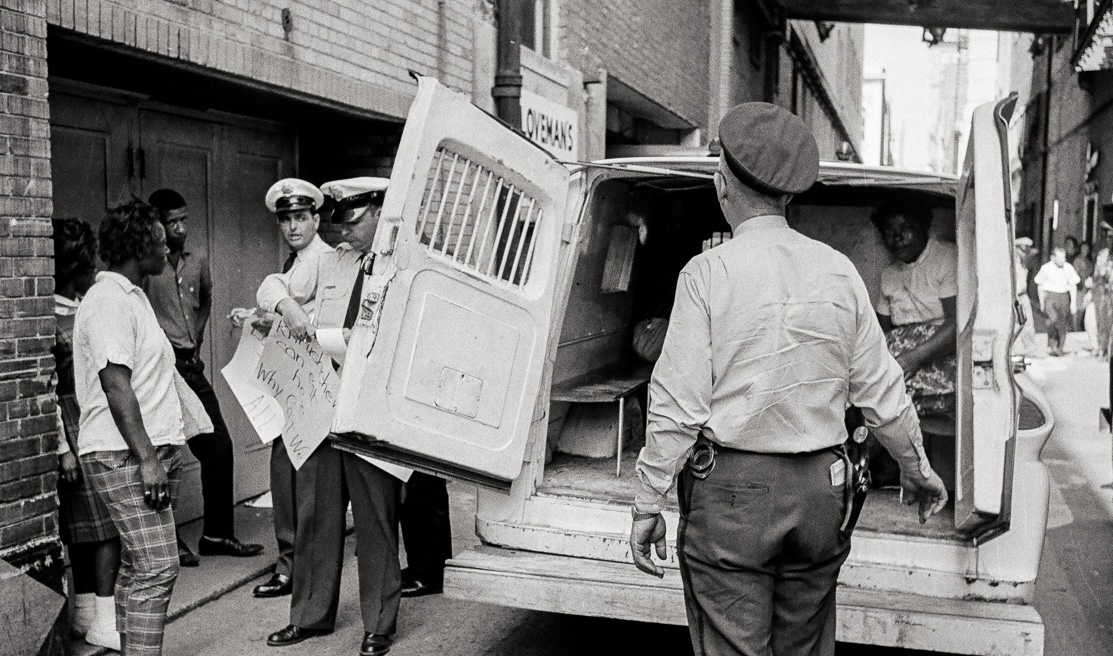
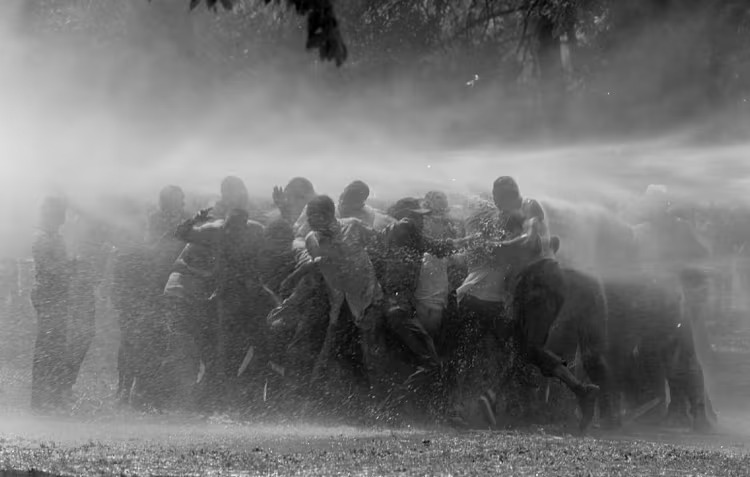
At the center of this system was Commissioner of Public Safety Eugene "Bull" Connor, who used police violence and arrests to suppress protests. For years, it worked.
But resistance grew. Reverend Fred Shuttlesworth, founder of the Alabama Christian Movement for Human Rights, had long challenged segregation. In 1963, he invited Dr. Martin Luther King Jr. and the Southern Christian Leadership Conference to Birmingham. Together, they launched Project C (Confrontation), a campaign of nonviolent protests, including marches, sit-ins, and boycotts. King was arrested on April 12 and wrote Letter from Birmingham Jail.
Then came a bold idea. James Bevel proposed involving students. Trained in nonviolence and aware of the risks, they agreed.
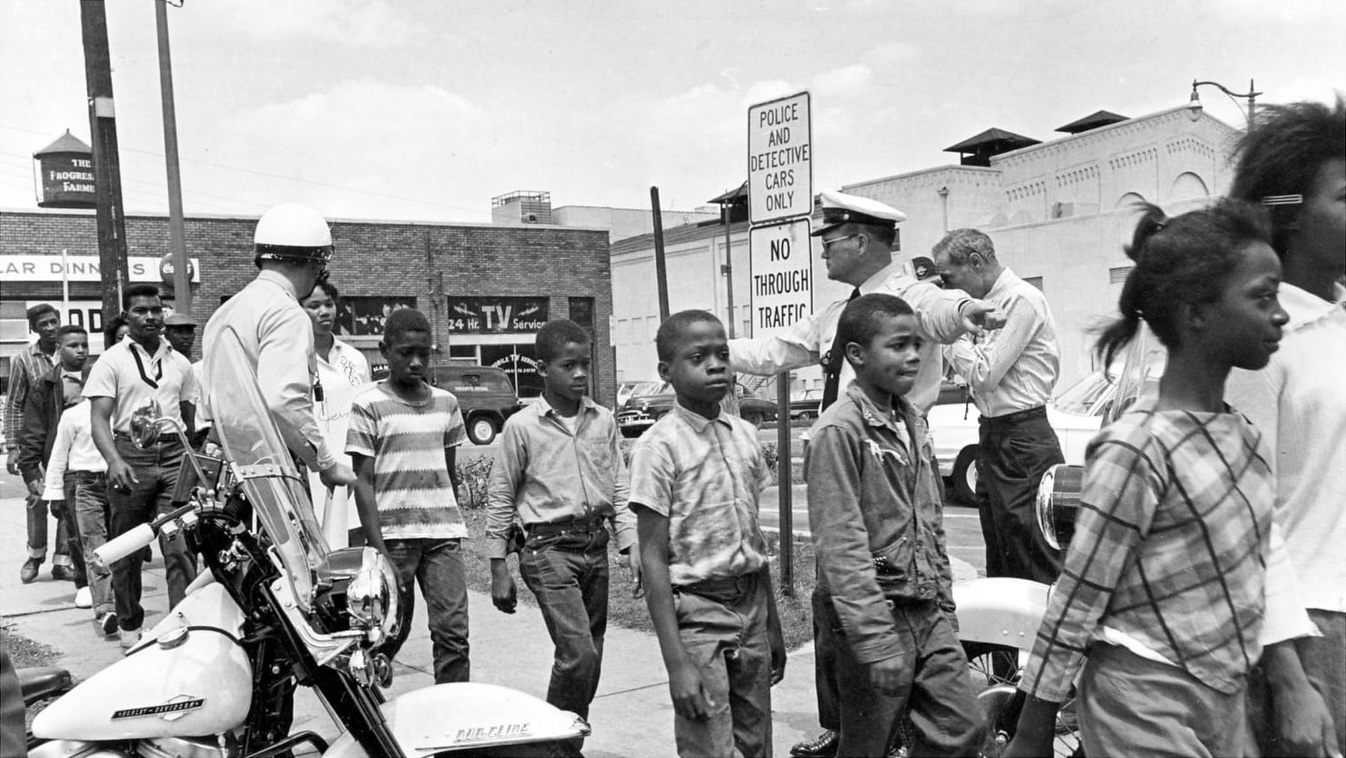
On May 2, 1963, over a thousand children left school and gathered at 16th Street Baptist Church. Singing, they marched toward downtown in waves.
Police were waiting. You are one of them.